First in UP: Apollomedics Hospital Treats Urethral Stricture Using Lab-Grown Cells
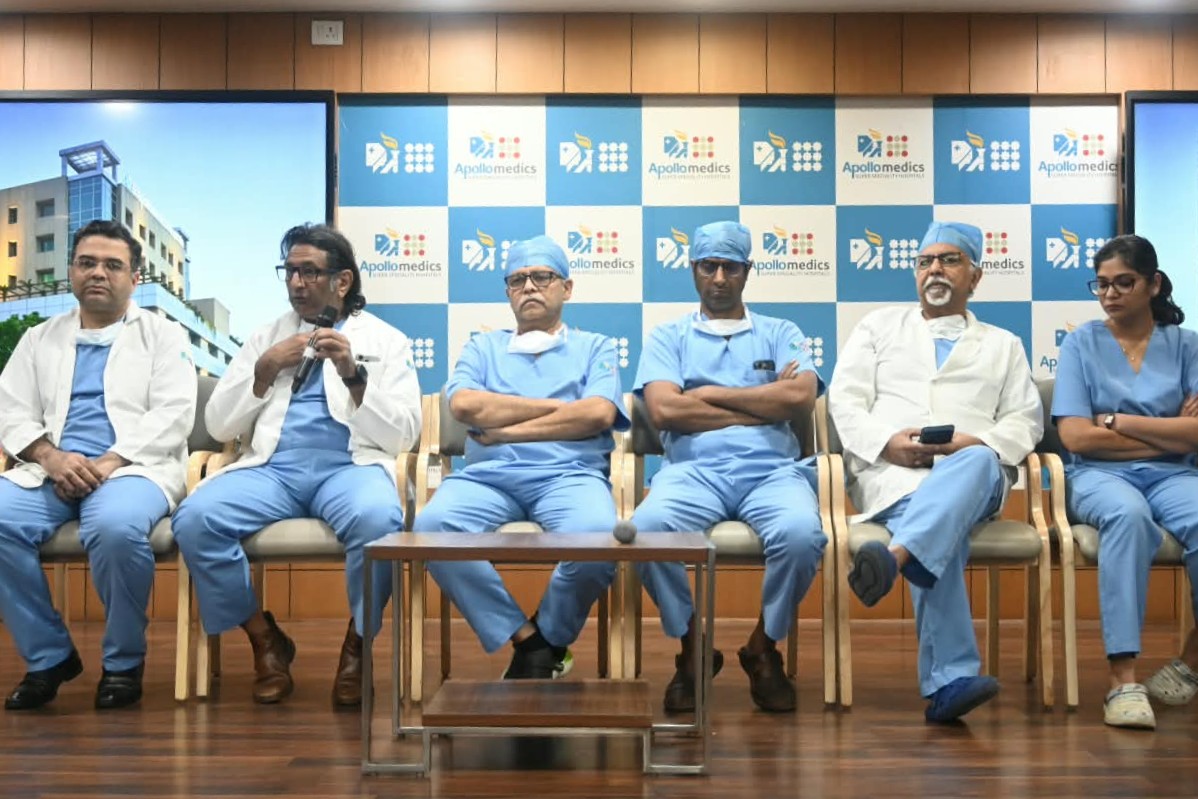
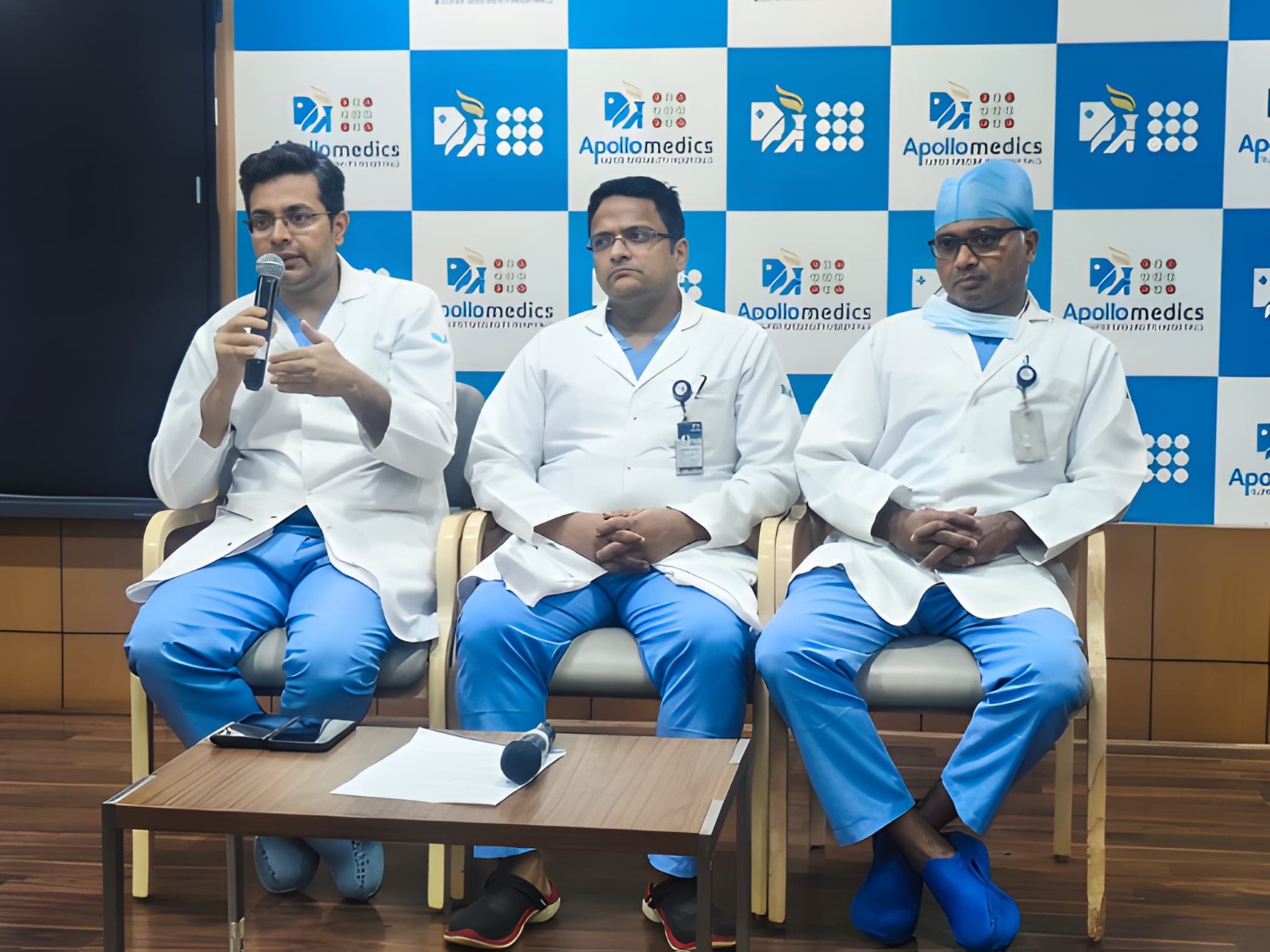
In a first for Uttar Pradesh, Apollomedics Hospital has successfully treated a patient with urethral stricture. A surgical team led by Dr. Mayank Agarwal , Dr. Ved Bhaskar and Dr. Shailendra Gupta, successfully operated on a 30-year-old patient using an advanced treatment that uses lab-grown cells (tissue engineering), marking the first time this procedure has been done in the state. The patient, a resident of Lucknow, was suffering from a three-centimeter-long bulbar urethra stricture (narrowing). The procedure offers a minimally invasive alternative for selected patients with urethral stricture.
Doctors usually advise a Buccal Mucosa graft Urethroplasty surgery for this serious condition. In that procedure, a five to six-centimeter piece of buccal mucosa had to be cut out from the inside of the patient's mouth. Because of this large cut, patients faced heavy difficulty in eating and drinking for several weeks. Eating hot or spicy food was completely out of the question.
The second option was a regular endoscopic (Optical internal Urethrotomy) operation. However, the biggest drawback of that method is the high risk of the disease coming back (recurrence). In such situations, a patient might have to insert a urinary tube on their own for the rest of their life ( self calibration) , which keeps the fear of bleeding, pain, and infection alive forever. The young patient was not ready to undergo either of these open and painful procedures and was seeking for some novel advancements in this field.
Taking up this challenge, Dr. Ved Bhaskar after discussion with his team mates suggested a completely new and modern cell therapy technique to the patient. For this procedure, a very small graft measuring only 10 millimetres in length and 5 millimetres in width, was taken from the inside of the patient's cheek. The doctor instantly put stitches on that spot so that no raw wound was left behind. The biggest benefit of doing this was that the patient was able to eat his normal food comfortably from the very first day itself.
This tiny piece taken from the mouth was then sent by air to a special laboratory in Pune. Over the next two weeks, it was grown in the lab and expanded in the laboratory into nearly 50 lakh lab-grown living cells. Because these prepared cells have a lifespan of only 72 hours, they were brought back to Lucknow with full security while strictly maintaining the cold chain.
The very next day, Dr. Ved Bhaskar combined the lab-grown living cells with liquid thrombin and delivered the mixture directly to the patient's wound site through an endoscopic procedure after performing an optimal mucosal incision over the stricture site hence creating a raw surface for the living cells to attach to. The lab-grown cells attach to the treated area, promote natural tissue healing and help reduce the chances of scar tissue forming again.
Highlighting the advantages of this procedure over conventional methods, Dr. Mayank Mohan Agrawal, Director and Head, Urology and Kidney Transplant Specialist, Apollomedics Hospital, Lucknow, said, "The entire surgical process was completed in just 15-20 minutes. We do not make any big cut in the mouth, nor is there any cut made on the lower part of the body below the scrotum unlike what we do in BMGU. In a traditional open surgery, a patient has to keep a urinary catheter for around two to three weeks. But with this new technique, the tube will be removed after just one week." Following the procedure, the patient was fully ready to be discharged from the hospital the very next day.
Explaining the clinical background of the disease, Dr. Ved Bhaskar, Associate Director Urology, ApolloMedics Hospital, shared, "The problem of stricture is quite common in men because of multiple reasons. It usually happens due to a prior urethral infection, an inadvertent injury, or because of a previous medical intervention. The success rate of this new method is claimed to be in the range of 70-80 percent, which matches that of the open surgery." He further noted that the procedure is particularly beneficial for elderly patients and those with multiple health conditions, as it avoids large surgical incisions, reduces recovery time and minimises the discomfort associated with conventional surgery.
Praising the medical team for this massive success, Dr. Mayank Somani, MD and CEO of Apollomedics Super Speciality Hospital, Lucknow, stated, "Our hospital is always committed to providing world-class and painless medical facilities to the people of Uttar Pradesh and its surrounding areas. This advanced treatment using lab-grown cells is a major step forward in minimally invasive urological care. It successfully saves patients from the physical pain and trauma of traditional surgeries and brings them back to a happy and healthy life much faster."