From Stiff Steps to Smart Surgery: MASSH PROLIFE Hospital Becomes Ludhiana’s First Hospital to Launch the ROSA Robotic System for Knee Replacement Surgery
Ludhiana : Ludhiana got an important upgrade in healthcare on Tuesday. MASSH PROLIFE Hospital has launched the ROSA Robotic System, making it the first hospital in the city to offer robotic assistance dedicated fully to knee replacement surgery. For a long time, patients from Ludhiana and nearby districts had to travel to bigger cities for this level of care. That need has finally eased.
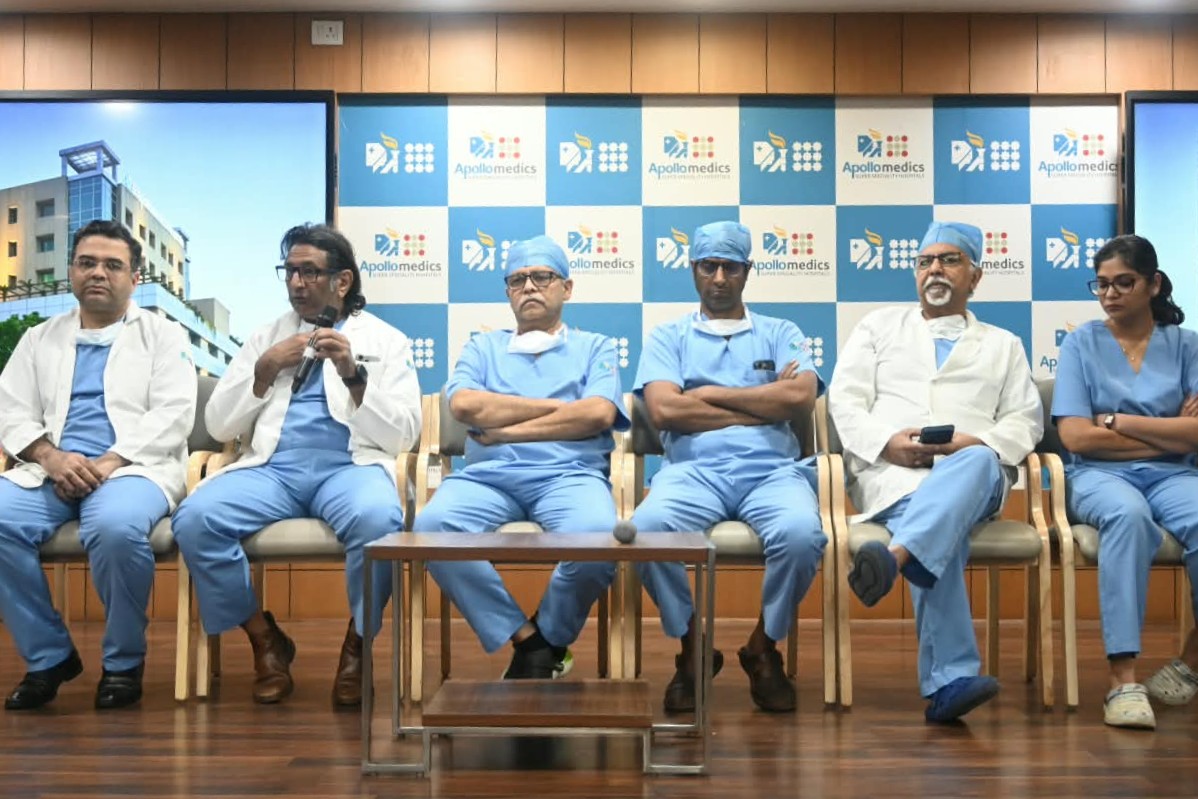
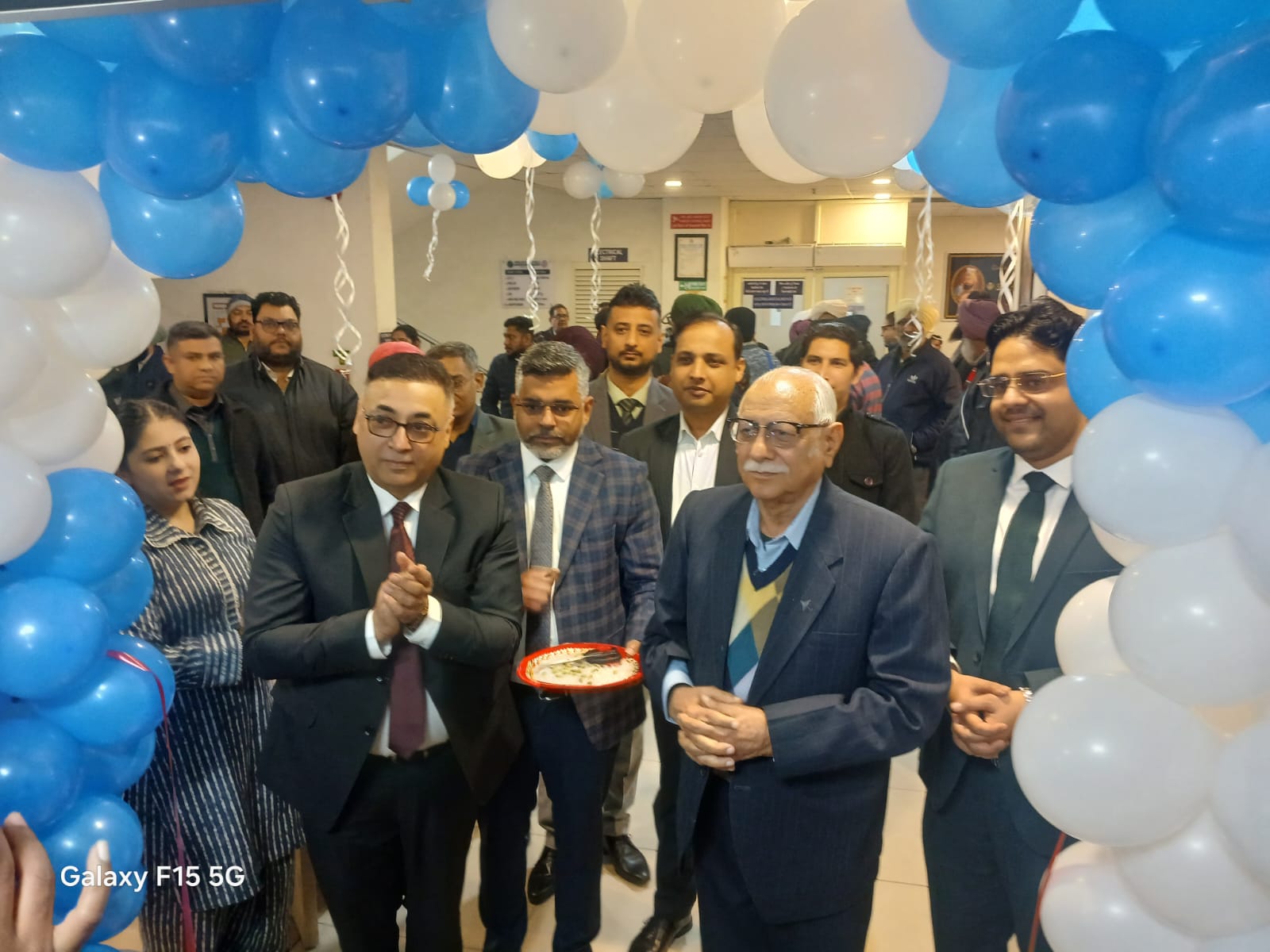
The system was inaugurated by Dr. S. C. Ahuja, former Principal and Head of Orthopaedics at DMC, in the presence of the hospital’s senior doctors. The timing could not be more relevant, as knee problems are rising fast not just Punjab but across India as well. The launch and media interaction were attended by senior doctors including Dr. Harpreet Singh Jolly – Director- Laparoscopy & Bariatric Surgery and Dr. Munish Goyal – Senior Consultant, Orthopaedics, along with other members of the medical team from MASSH PROLIFE Hospital.
During the media interaction, Dr. Munish Goyal, Senior Consultant Orthopaedics, MASSH - PROLIFE Hospital pointed out, “Knee replacement surgeries in India have increased nearly two and a half times over the last five years. In simple terms, the numbers have more than doubled. We are seeing the same trend in Ludhiana and across Punjab, with more patients coming in every year seeking relief from severe knee pain,”
“Traditionally, people between the age of 55 and 70 form the largest group needing knee replacement. This is mainly due to age related wear and tear of the knee joint. In Ludhiana, we are also seeing that women are affected more than men. The numbers increase clearly after menopause, usually around the age of 50 to 55, when bone strength and joint health start declining faster,” Dr. Munish Goyal added.
What is worrying doctors even more is the growing number of younger patients. Severe joint damage is no longer limited to old age. Poor dietary habits, low intake of protein and calcium, excess junk food, obesity, and almost no regular exercise are weakening muscles and joints early. Dr. Goyal shared that the youngest patient to undergo knee replacement at the hospital was a 42 year old woman suffering from seropositive rheumatoid arthritis.
Lifestyle plays a big role in this region. Doctors stress the need for a protein rich diet, controlled carbohydrate intake, and at least 30 to 40 minutes of daily physical activity. These small changes can slow down osteoarthritis and delay surgery in many cases.
“Despite severe pain and difficulty in walking, many patients still delay knee replacement surgery. One major reason is lack of awareness. People often do not realise when surgery is actually required or how safe and advanced the procedure has become today. Access is another hurdle, as patients struggle to find a hospital or specialist they can fully trust. Fear also plays a big role. Stories about pain, anaesthesia, infection, or implant failure keep circulating, even though outcomes are much better now. Delaying surgery for too long can deform the bones permanently and lead to lifelong disability,” said Dr. Harpreet Singh Jolly, Director – Laparoscopic & Bariatric Surgery, MASSH - PROLIFE Hospital.
Dr. Goyal further clarified a common misunderstanding about robotic surgery. "The robot does not operate on its own. The surgeon is present in the operation theatre at all times and controls the system directly. ROSA works like a highly advanced guide. It helps plan surgery using sensors and three dimensional modelling and assists in placing the implant with extreme precision. While India has performed limited remote robotic surgeries in fields like cancer and cardiac care, knee replacement remains surgeon controlled and robot assisted."
ROSA is a robot assisted surgical platform developed by Zimmer Biomet and is considered among the most advanced systems available in India for total knee replacement. For patients, this accuracy usually means better alignment, smaller incisions, less blood loss, reduced tissue damage, and often a faster and smoother recovery. Most importantly, the knee feels more natural after surgery, which is what patients care about the most.